Most people who book a trichology consultation have been dealing with hair loss for months before they make the call. They have tried switching shampoos, taking supplements, cutting out heat. Some of it helps. Most of it does not, because the problem is being treated without knowing the cause.
What does a trichologist actually do?
A trichologist is a specialist in the health of the hair and scalp. Trichology is the scientific and medical study of the hair follicle, the scalp and the conditions that affect both. It sits between cosmetic hair care and clinical dermatology.
On the trichologist vs dermatologist question: a dermatologist is a medical doctor who treats all skin conditions, including the scalp. A trichologist focuses specifically on hair and scalp health and takes a diagnostic approach that considers lifestyle, nutrition, hormonal history, stress and hair care practices together.
At Unique Beauty & Style, trichology is led by Fernanda Paes, certified by the International Association of Trichology with over 17 years of experience and an MBA in Trichology. Consultations use Digital Trichoscopy, which magnifies the scalp up to 200 times to assess follicle health, oil levels and scalp condition before any treatment is recommended.
What conditions does trichology treat?
The most common reason people search for hair loss treatment in Perth is noticing more shedding than usual. Conditions a trichologist assesses and treats include:
- Androgenetic alopecia — genetic hair loss, affects both men and women
- Telogen effluvium — diffuse shedding triggered by stress, illness, childbirth or nutritional deficiency
- Female hair loss linked to hormonal changes including PCOS, thyroid conditions or menopause
- Seborrheic dermatitis, scalp psoriasis, folliculitis, fungal infections and inflammatory scalp conditions
- Post-chemical damage and hair breakage from bleaching, relaxers or repeated heat processing
Two people with the same degree of hair thinning can have completely different underlying causes. That is exactly why diagnosis matters before treatment.
What happens at a trichology consultation?
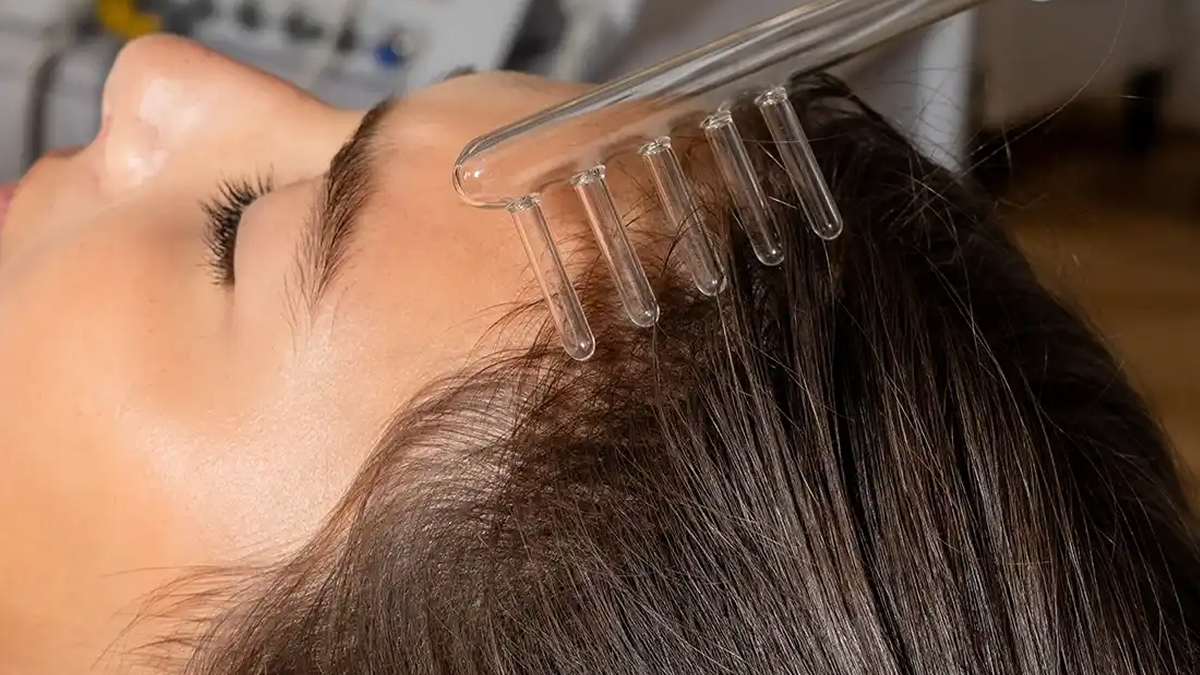
At Unique Beauty & Style, every consultation begins with a detailed intake covering your medical history, current medications, diet, stress levels and hair care routine. The scalp is then examined using Digital Trichoscopy. The hair shaft itself is checked for structural damage or signs of miniaturisation, where follicles gradually shrink due to hormonal or genetic factors.
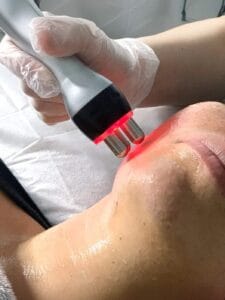
Every treatment protocol is built specifically around what the assessment finds. There are no generic packages. Depending on the diagnosis, this might involve topical treatments, scalp therapies, evidence-based technologies including phototherapy, laser or microneedling, nutritional guidance, or a referral to your GP for blood work.
When should you actually book?
The signals vary depending on who you are and what is happening, but the rule is consistent: earlier always gives you more options.
For men, watch for a receding hairline at the temples, thinning at the crown, or hair that feels noticeably finer than it used to. For women, a widening part line, a thinner ponytail or a general drop in volume are the most common early signs.
Beyond pattern loss, people come in for all kinds of reasons. Excessive shedding after illness, childbirth or a period of stress. A scalp condition that will not settle. Hair that has stopped growing or broken off after chemical treatment. Persistent itching or flaking that dandruff shampoo does not fix. There is no single profile for who needs a consultation.
What all of these have in common is that hair loss treatment works better before the damage is advanced. If something has changed and it has not resolved on its own after a few weeks, that is reason enough to book.